- 1 Main image which is strong and eye catching
- Image anchors text and creates a narrative
- Channel 4 logo is always on the right hand side, 3D and not too strong
- Central image sums up program
- Colours match the image or mood of the documentary
- Sponsorship is sometimes present
- Red, white and black are predominant colours
- Black behind the text, and no more than half way across the image
- Scheduling appears, including date and time
- Aimed to be published in lower, working class newspapers
- Could be portrait or landscape
- Minimum about of words
- Positioning statement is catchy and short and links into the documentary
Monday, 28 November 2011
Codes And Conventions of Print Adverts
Monday, 14 November 2011
Editing the Radio Trailer
During the editing of the radio trailer, the main priority was to make sure that all of the sound levels in the trailer were suitible for the change in the voiceover and extracts from the documentary combined with the music bed. Changing intonation was also important in the voiceover to emphasise the key utterances.
Even though this is fairly short, most of the work was with the audio levels, so that nothing was too quiet or too loud. Also we needed to make sure everything flowed well, and that the clips were precisely cut out of the documentary.
This is a screenshot of the audio levels, using key frames we were able to actively change the intonation of the voiceover so that he emphasises certain words such as the title and the scheduling of our documentary.
This is a screenshot which shows how we have using the key frames to fade parts of the sound in and out. This enables us to have greater control on every single bit of the audio, and we were able to make sure everything stays balanced.
We transferred all of the clips from our documentary onto a separate computer, and took away the video so that we were left with the audio. This enabled up to solely focus on taking apart the right clips in the documentary for our trailer.
Sunday, 13 November 2011
Radio Trailer Script
Using transcript conventions, I have written a script for the radio trailer. This also helps to direct the person who we have used to record the voiceover and the radio trailer. This provides him with pauses, and especially the intontation that he should use.
Music Bed: What Makes You Beautiful (instrumental)
Voiceover: Mr Bottom
(.) – Short pause
(1.0) – Longer Pause
_____ - Emphasis
“How far would you go for that bronzed body?
Mrs Battle: Your value is in your looks, and celebrities
look good
“An average of 35 Million foreign holidays a year means people
are browner for longer”
Vicki: Famous people have all got brown golden skin
“Between salons and self tan (.) even your average person
can glow like a celeb”
Nicky: But there was no kind of health warnings, and the UVA rays give out radiation and this can cause different kinds of cancer
“A journey into the world of tanning (1.0) and how important
it’s become (.)”
“How far would you glow?”
“Tantalising (1.0) Monday 5th
December (.) 8:30 (.) Channel 4”
Friday, 11 November 2011
Codes and Conventions of Radio Trailers
- Music bed - no lyrics/instrumental versions, cannot overshadow v/o
- Sound effects anchor theme of doc
- Sound bites and/or extracts from documentary
- Intonation changes, i.e pitch and tone
- 30-40 seconds long
- Beginning must be clear as to grab audience
- Should intrigue audience
- V/O same person as documentary and is intercut throughout trailer
- Hint at what's going to be on the documentary
- Schedule at the end, usually with a different voice
- Pose questions
- Same theme and slogan as print and from the same campaign
Wednesday, 9 November 2011
Voiceover Script
This is the voiceover script from our documentary:
In recent difficult financial times, 63% of people have had to
give up their holiday abroad and seek other means, such as fake tanning and sun
beds, to get that summer glow.
From sun beds to spray on, people have started to tan at
work, home, and now even in the gym. So, why is this the case?
With a public split of what looks good, the debate between
perfectly pale or brown and bronzed still stands.
But what is the influence tanned celebrities have on the
public, and why do people need to look like their idols?
Tuesday, 8 November 2011
Editing
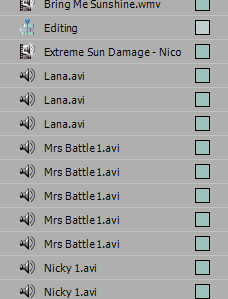
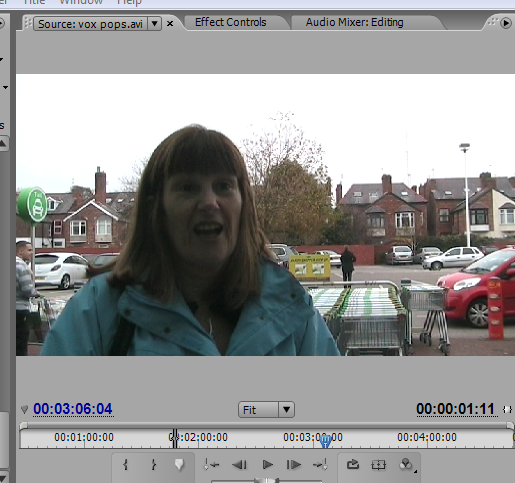
We have editted our documentary in Adobe Premiere, an editing software which has allowed us to precisely control shots, to make our documentary as professional as possible. Here are screenshots of the editing process.
Making sure that the interviews linked together was extremely important. If 2 clips were completely next to each other, the sound quality would be reduced and the documentary would sound poor, so even fractions of a second different improved the quality massively.
The video transitions and effect were not using that often, due to them making the documentary look over stylised, however additive and cross dissolves were important especially with the graphics fading in and out on the screen.
In some parts of our documentary we needed to use archive footage. This was cut out once again using the brackets and the stepping tool. Even though we didn't film this archive material, it was extremely useful to link sections together.
Monday, 7 November 2011
Edit Decision List
Our edit decision enables people from outside our group to understand what is being done to the footage we have recorded on the tape log sheet. All of the cuts were straight cuts, as this follow the conventions of a professional product.
Subscribe to:
Posts (Atom)